Bahraini activist and founder of Al-Khawaja Consulting
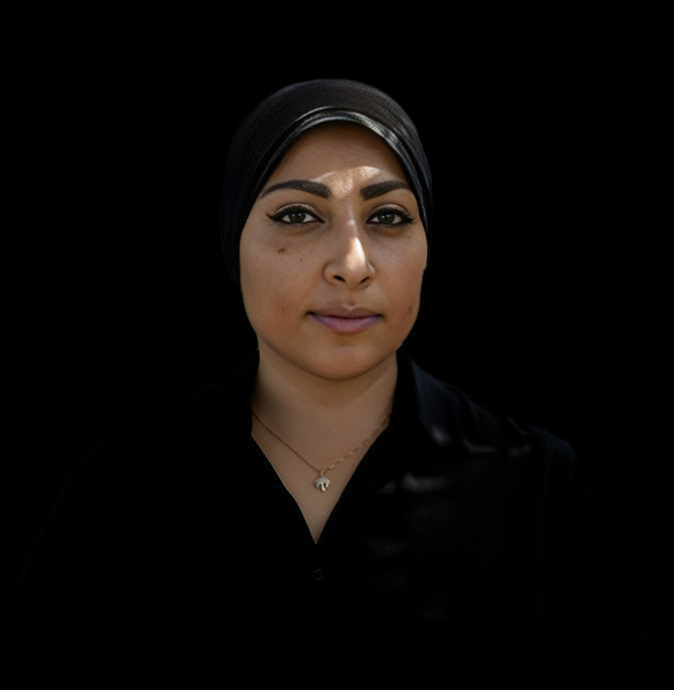
Maryam Al-Khawaja is a Bahraini human rights defender and the founder of Al-Khawaja Consulting. Al-Khawaja played an instrumental role in the Bahraini Arab Spring protests in early 2011, which resulted in a widespread government crackdown, including extrajudicial killings, arrests, and torture of activists. Due to her work, she has been subjected to assault, defamation, and imprisonment. Despite these threats, Al-Khawaja has emerged as a leading voice for human rights and political reform in Bahrain and the Gulf region and has acted as a consultant for prominent European and American policymakers regarding Middle Eastern affairs. Al-Khawaja has received numerous awards for her human rights work, including the Rafto Prize. Previously, she served as co-director for the Gulf Center for Human Rights and as acting president of the Bahrain Centre for Human Rights. In 2012, Al-Khawaja received Freedom House’s Freedom Award. She currently serves on the board of the International Service for Human Rights and the Urgent Action Fund. Al-Khawaja also leads the #FreeAlKhawaja campaign to shed light on her father’s unjust imprisonement. In September 2023, she was barred from entering a flight to Bahrain following her father’s announcement of a hunger strike.